Free community workshop #1
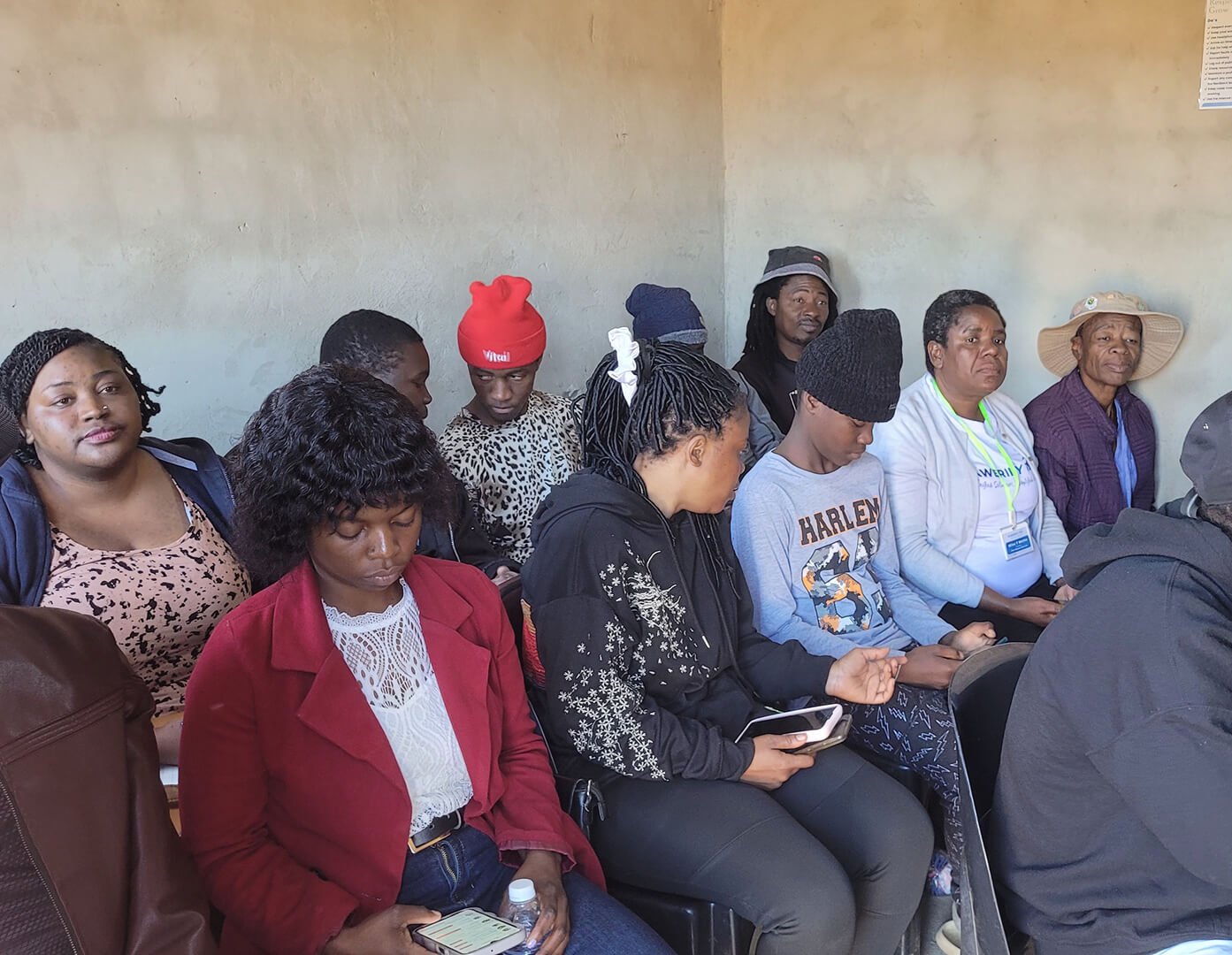
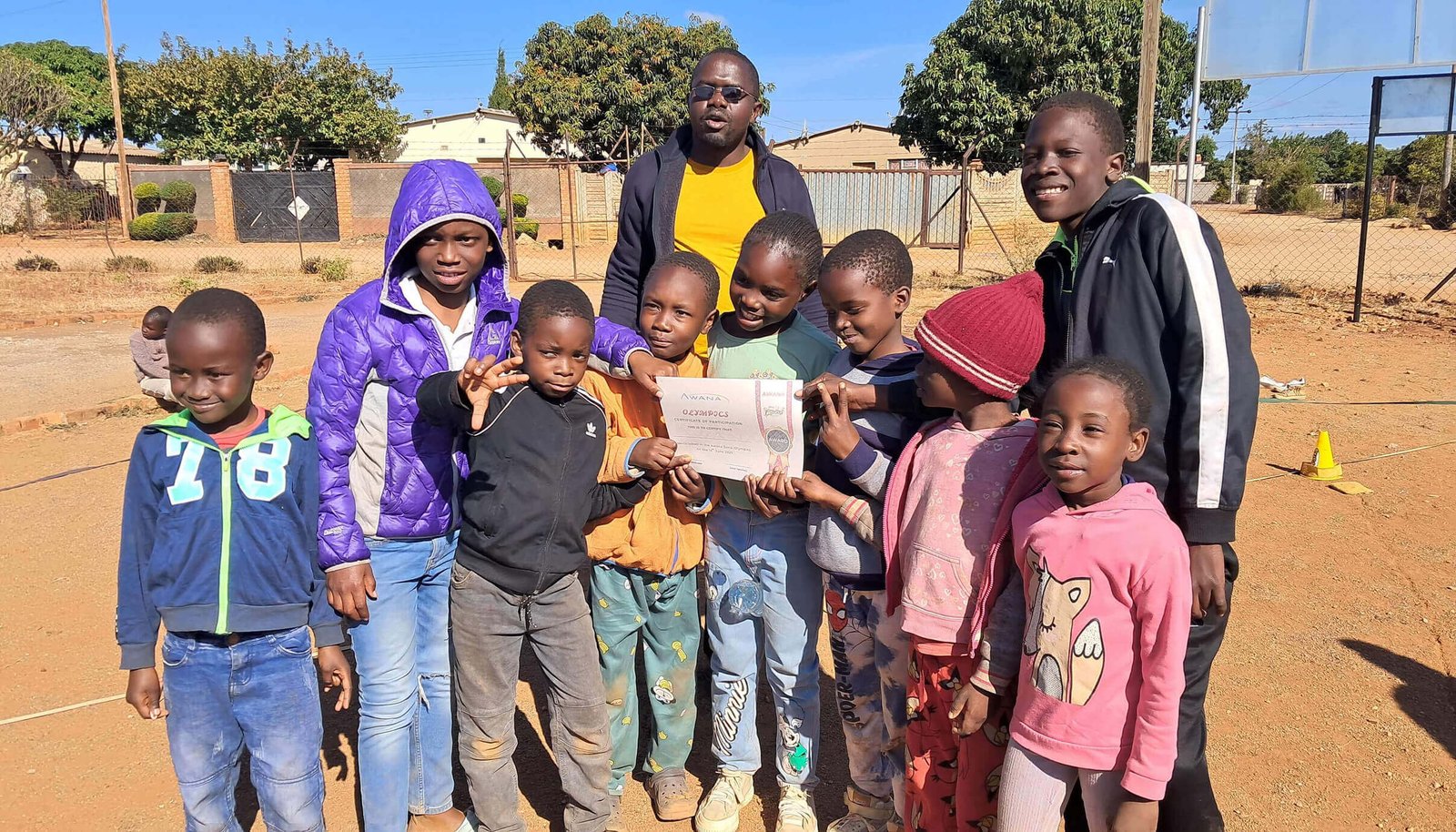
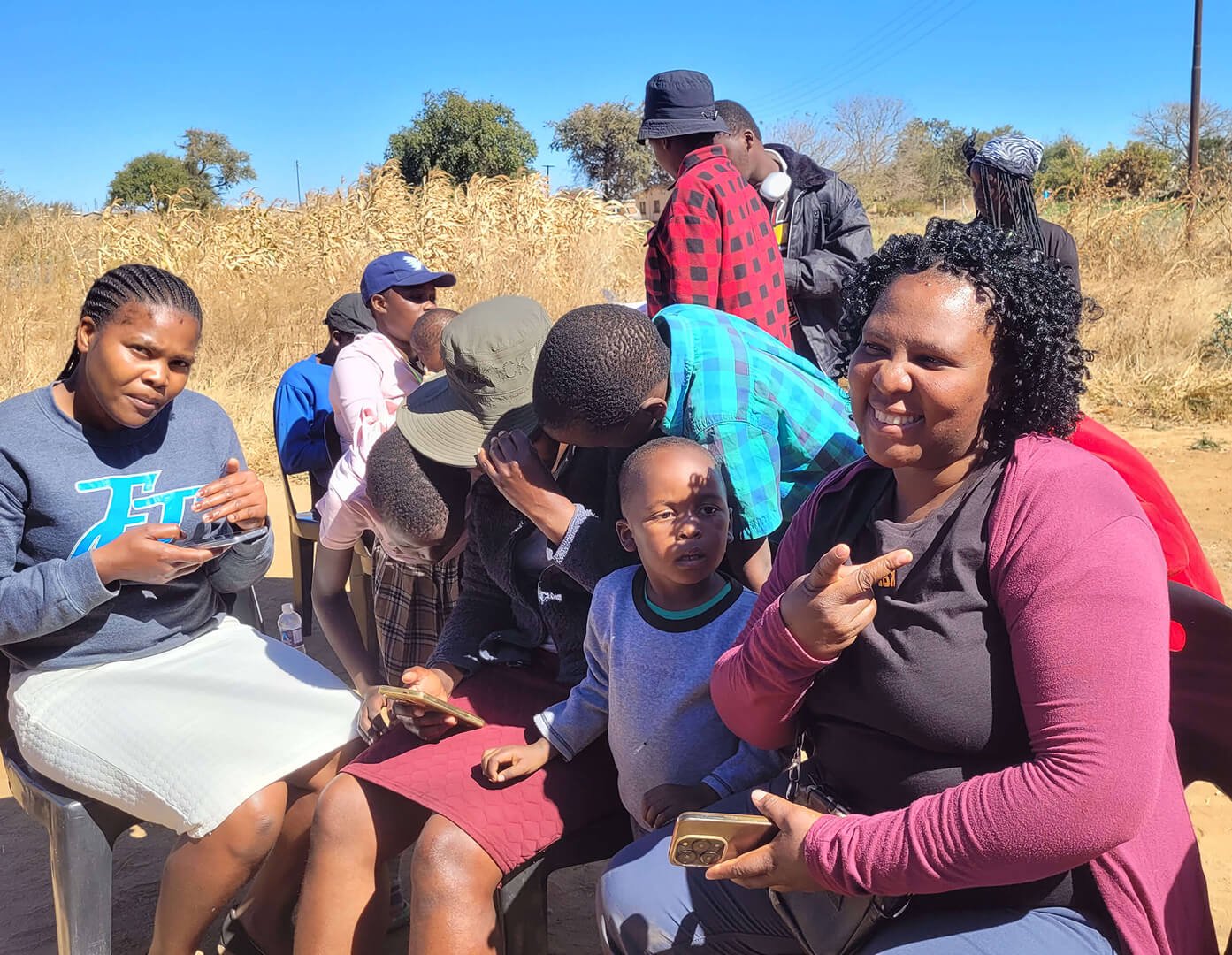
Our first free community workshop: sharing practical ICT skills and digital safety basics.
Why we run free workshops
We host free workshops to educate the community with practical digital skills. The goal is to reduce fear and confusion around technology and help people use digital tools in ways that improve their opportunities, safety, and productivity.
In many communities, people are using smartphones every day, but they still feel stuck when it comes to using technology for progress. Someone can scroll social media for hours, but they struggle to send an email, fill a form online, or protect themselves from scams.
That is the gap we are trying to close.
We also noticed something important. Many people are not failing because they are lazy. They are failing because no one ever sat them down and explained things in a simple way, step by step, with patience.
What the first workshop was really about
This first workshop was about foundations. We did not try to teach everything. We focused on the habits that make technology useful.
We wanted people to leave saying:
- “I understand what to do next.”
- “I feel more confident.”
- “I can protect myself better.”
What we covered
1) Digital safety basics
We spoke about common scams and how they work.
We discussed:
- fake job opportunities that ask for a fee
- suspicious links sent through WhatsApp
- messages that create panic so you act quickly
We encouraged a simple rule: if you feel rushed, pause.
Scammers often win by pushing fear or excitement.
2) Personal information protection
Many people share personal details without realizing the danger.
We discussed:
- why you should not share ID numbers casually
- why you should not send bank details to random contacts
- why you should avoid posting sensitive personal information publicly
We also explained how to adjust privacy settings on social platforms.
3) Password habits
Passwords are one of the simplest protections.
We covered:
- why reusing passwords is risky
- how to create stronger passwords
- why two factor authentication matters
We also encouraged people to protect their email because email is often the key to other accounts.
4) Basic productivity
We showed how digital tools can help daily life:
- using notes and reminders properly
- saving documents in folders
- naming files clearly
- scanning documents with a phone
Many people have these tools but do not use them consistently.
What we observed
One of the most encouraging things was seeing people relax.
At the beginning, some participants were shy to ask questions. They feared being laughed at. But as the workshop progressed, people started asking.
That is a big step. Questions are the beginning of growth.
We also observed that when people understand the “why”, they learn faster. They do not just memorize steps, they see the reason behind the habit.
The real impact
Even small improvements like:
- understanding passwords
- avoiding suspicious links
- organizing digital documents
- knowing how to verify information
Make a big difference.
They reduce stress. They reduce mistakes. They also open opportunities, because many jobs and services now require basic digital confidence.
Photos
Photos: workshop-01.jpg, workshop-01-2.jpg, workshop-01-3.jpg.
What’s next
We’ll keep running more sessions and improving the content based on real community needs.
In future workshops, we want to go deeper into:
- email and professional communication
- CV preparation and online applications
- basic computer skills for work
- online forms and how to submit documents correctly
Our goal is simple: help people become confident and safe online, and help them use technology for progress.
How to use this article
Use this as a practical guide. If you’re reading as a team, assign actions and test the ideas on a real project.
Need help implementing?
If you want this applied to your business or team, we can recommend the right service or training track.