Why monthly workshops work
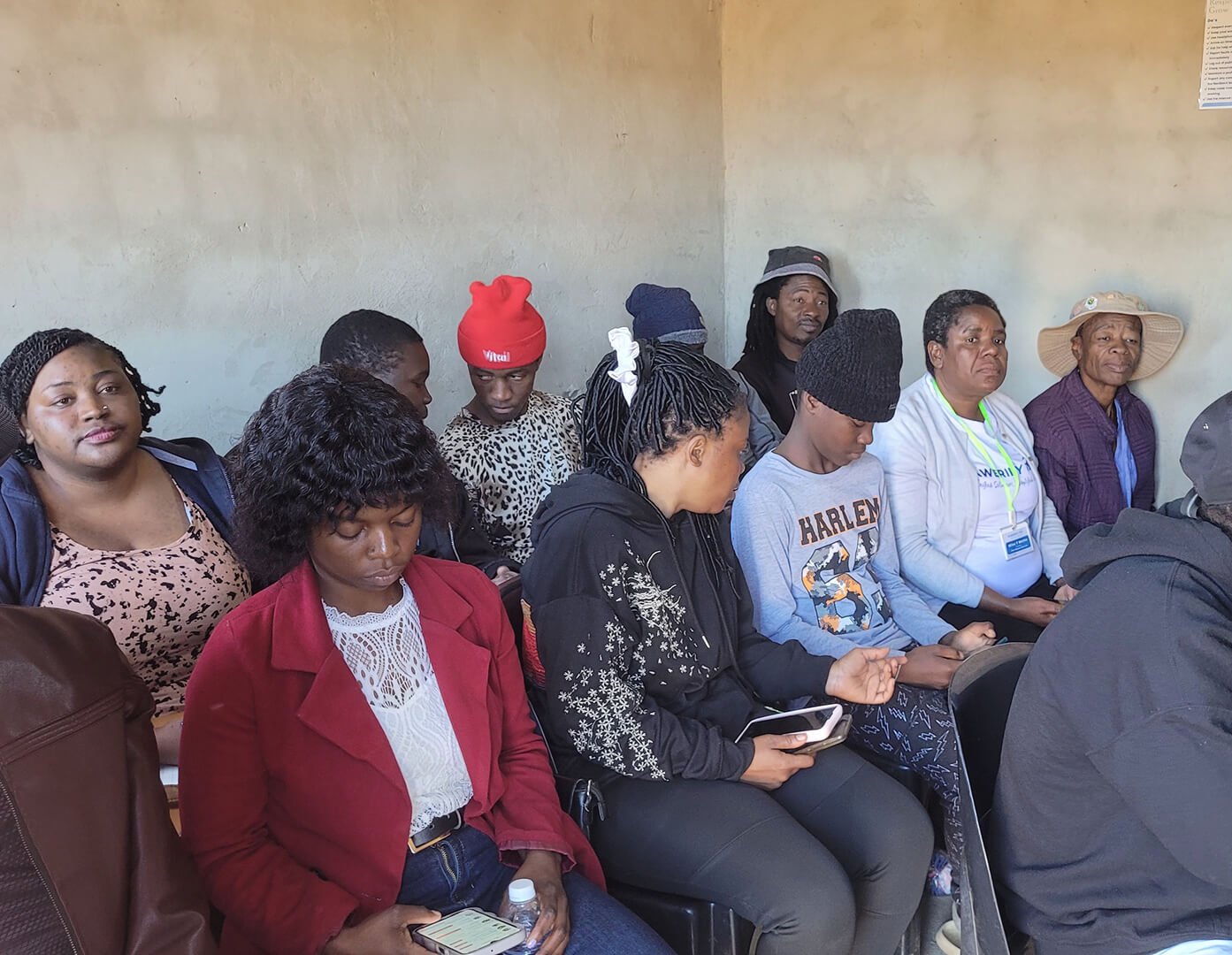
A consistent rhythm builds real capability for teams.
Why consistency beats intensity
Many teams want growth, but they want it fast. They want one big workshop, one big training day, and then they expect everything to change.
The problem is that humans do not work like that. Most real skills are built through repetition, practice, feedback, and time.
That is why monthly workshops work so well. They create a rhythm.
The monthly rhythm is realistic
Monthly workshops fit real life. People have work, school, responsibilities, and distractions. A monthly rhythm gives space to:
- learn something new
- try it in real work
- come back with questions
- improve
If you train once a year, people forget. If you train every day, people burn out.
Monthly is balanced.
Workshops are better than lectures because they involve doing
Workshops work because they are active.
In a workshop:
- people practice
- people ask questions
- people make mistakes safely
- people get feedback
In a lecture:
- people listen
- people forget
If you want capability, you need practice.
What a good monthly workshop looks like
Many workshops fail because they are random.
A good workshop has:
- a clear topic
- a clear outcome
- a simple template
- time for practice
- time for reflection
For example, instead of “Marketing workshop”, define:
- “Write a simple offer and build a landing page outline”
Now the workshop has a real output.
The best workshop topics come from real pain
If you want your workshops to be relevant, do not guess topics. Collect problems.
Ask:
- What is slowing us down?
- What mistakes keep repeating?
- What do we avoid because we do not understand it?
Then build workshops around those issues.
Build skills like a ladder
Monthly workshops work best when they are connected.
Think of it like a ladder:
Month 1: fundamentals
Basic concepts and shared language.
Month 2: simple practice
Small tasks and guided examples.
Month 3: applied projects
Real work examples and small group execution.
Month 4: quality and review
How to check work, improve, and fix mistakes.
Month 5: speed and systems
Templates, checklists, and workflows.
When you build skills step by step, people become confident.
The hidden benefit: culture changes
Monthly workshops do something powerful. They normalize learning.
Teams become comfortable with:
- asking questions
- admitting they do not know
- sharing lessons
- supporting each other
That changes the culture.
Make practice part of the month
If you run a workshop and then never follow up, learning dies.
After each workshop, give a short action list:
- one task to apply this week
- one task to apply next week
- one task to review by month end
Small actions build confidence.
Accountability makes the difference
People often want to change, but they forget.
Simple accountability tools:
- a shared checklist
- small groups
- accountability partners
- weekly short updates
You do not need pressure. You need reminders.
Measure results in real life, not attendance
Attendance is not impact.
Impact looks like:
- better work quality
- faster delivery
- fewer repeated mistakes
- better communication
- more confident teams
Track real improvements.
Common mistakes to avoid
Too much content
If you try to teach too much in one session, people forget.
No practical output
If the workshop ends without a deliverable, it becomes entertainment.
No follow up
If you do not follow up, the workshop becomes a memory.
A simple structure you can copy
Here is a workshop template that works:
- 10 minutes: context and goal
- 20 minutes: demonstration
- 40 minutes: practice and support
- 20 minutes: review and feedback
- 10 minutes: action plan
This is realistic and focused.
Closing thought
Monthly workshops work because they respect how people learn. Skills are built through repetition and real use. If you create a steady rhythm of learning and application, you build a team that can deliver, adapt, and grow without fear. That is long term capability.
How to use this article
Use this as a practical guide. If you’re reading as a team, assign actions and test the ideas on a real project.
Need help implementing?
If you want this applied to your business or team, we can recommend the right service or training track.